The Gambia is the smallest country on mainland Africa: a narrow ribbon of land that follows the Gambia River inland from the Atlantic coast. Known as “the Smiling Coast of Africa”, it combines easy-going beaches, rich birdlife, river landscapes and a deep history. Here are the key facts about The Gambia to know before you travel.
| Official name | Republic of The Gambia |
|---|---|
| Capital | Banjul |
| Population | About 2.4 million (2024 census) |
| Area | About 11,300 km² |
| Borders | Surrounded by Senegal on three sides, with the Atlantic Ocean to the west |
| Languages | English (official); Mandinka, Wolof and Fula are widely spoken |
| Religion | Mostly Muslim, with a Christian minority |
| Currency | Gambian dalasi (GMD) |
| Time zone | GMT all year round (no daylight saving) |
| Independence | 18 February 1965 (republic since 24 April 1970) |
| Best time to visit | November to April, during the dry season |
Long before Europeans arrived, the Gambia River valley was part of great West African states, including the Mali Empire, and the river was an important trade route into the interior.
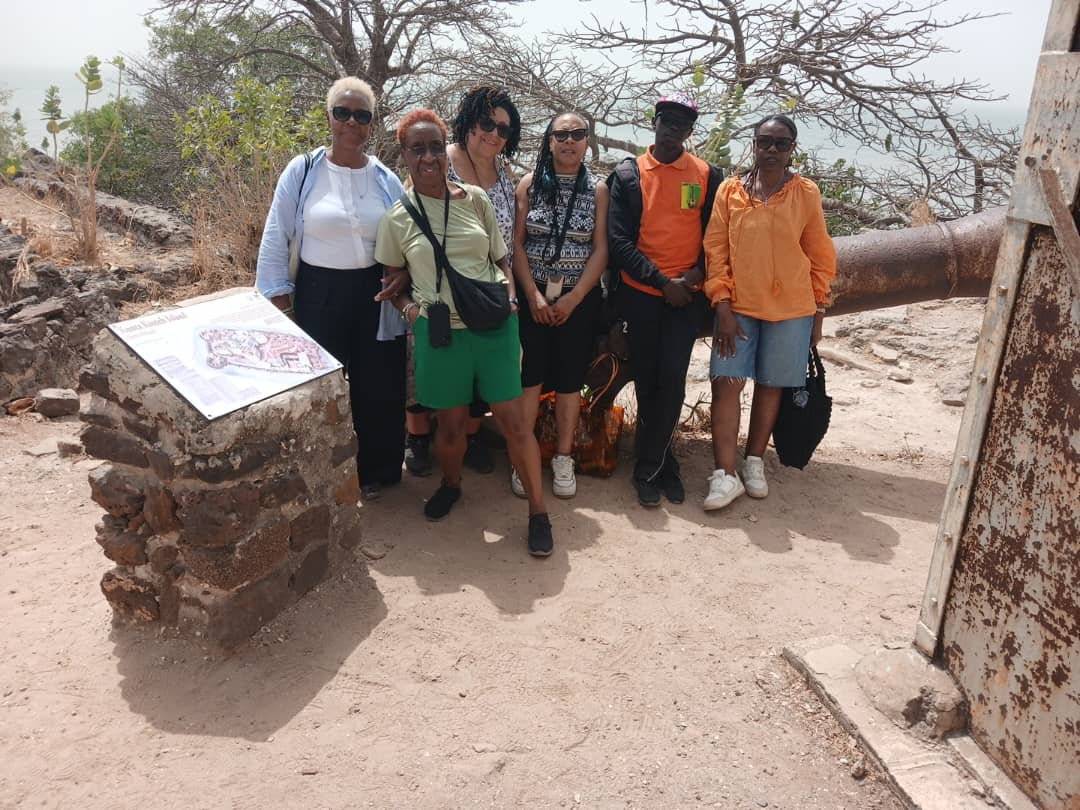
Portuguese sailors reached the river in the 1450s. Over the following centuries, European powers competed for control of trade along the river, and the Gambia became a centre of the transatlantic slave trade. Kunta Kinteh Island (formerly James Island) and the nearby village of Juffureh are today a UNESCO World Heritage Site that tells this story. You can visit them on our Kunta Kinteh Island tour.
Britain abolished the slave trade in 1807 and founded Bathurst (renamed Banjul in 1973) on St Mary’s Island in 1816. The border with French-ruled Senegal was agreed in 1889, and the Gambia became a British colony and protectorate.
The Gambia gained independence on 18 February 1965 and became a republic on 24 April 1970, with Sir Dawda Jawara as its first president. A military coup in 1994 brought Yahya Jammeh to power, and he ruled for 22 years. In the December 2016 election he was defeated by Adama Barrow, who took office in 2017 and was re-elected in 2021.
The Gambia stretches roughly 300 km inland from the coast but is rarely more than 50 km wide, following both banks of the Gambia River. The landscape is mostly flat, with mangrove creeks and wetlands near the coast and savannah and farmland further inland. The short Atlantic coastline is where most visitors stay, around Kololi, Kotu and Cape Point.
Read more in our guide to the geography of The Gambia.
The Gambia has two main seasons. The dry season runs from about November to May, with sunny days, low humidity and pleasant evenings, which makes it the most popular time for beach holidays, excursions and birdwatching. The rainy season runs from about June to October, bringing heat, humidity and short, heavy showers that turn the countryside green.
See our full guide to the climate of The Gambia for month-by-month tips.
The Gambia is home to several ethnic groups. According to the 2024 census, the largest are the Mandinka (about a third of the population), the Fula and the Wolof, alongside the Jola, Serahule, Serer, Manjago, Aku and others. English is the official language, but most people speak one or more local languages day to day.
Gambians are known for their hospitality, and family, community and religion play a central role in daily life. Learn more about the people of The Gambia.
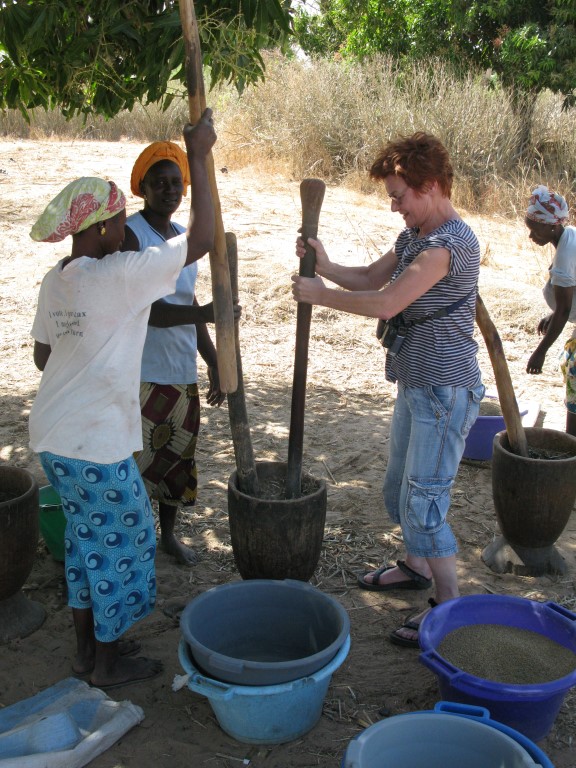
Most visitors fly into Banjul International Airport and stay along the coast, especially in Kololi and the Senegambia strip, where hotels, restaurants and nightlife are close together. From there it is easy to explore with a local guide:
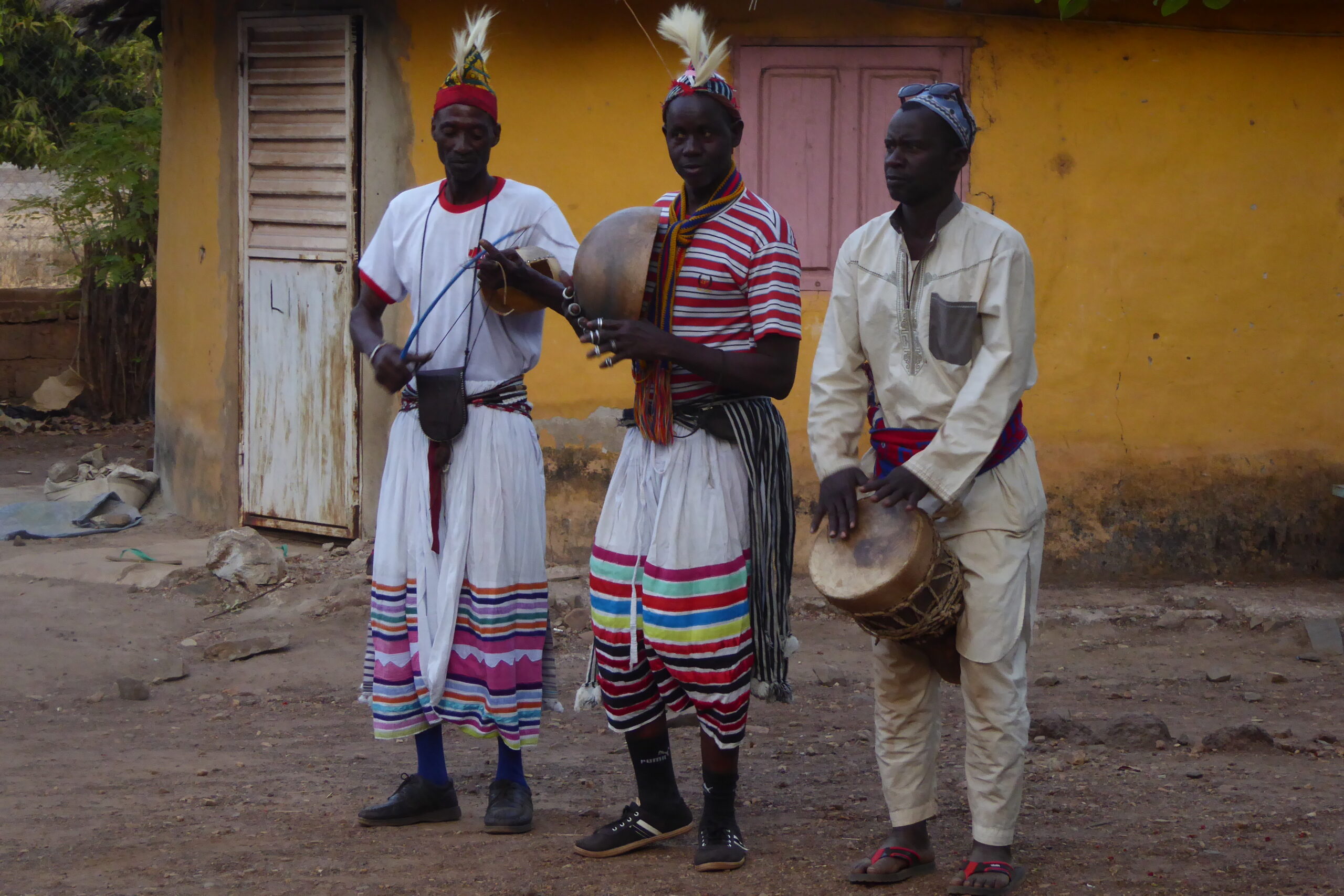
Not sure where to start? Our guide to things to see in The Gambia covers the highlights.
The country’s official name is the Republic of The Gambia, so “The Gambia” is the correct form, although “Gambia” is widely used in everyday speech.
English is the official language and is used in government, schools and tourism. Mandinka, Wolof and Fula are the most widely spoken local languages.
The Gambian dalasi (GMD). Euros and British pounds are easy to exchange in the tourist areas.
November to April, during the dry season, is the most popular time: sunny, dry and ideal for excursions and birdwatching.
Banjul, on St Mary’s Island at the mouth of the Gambia River. It is one of the smallest capital cities in Africa.