


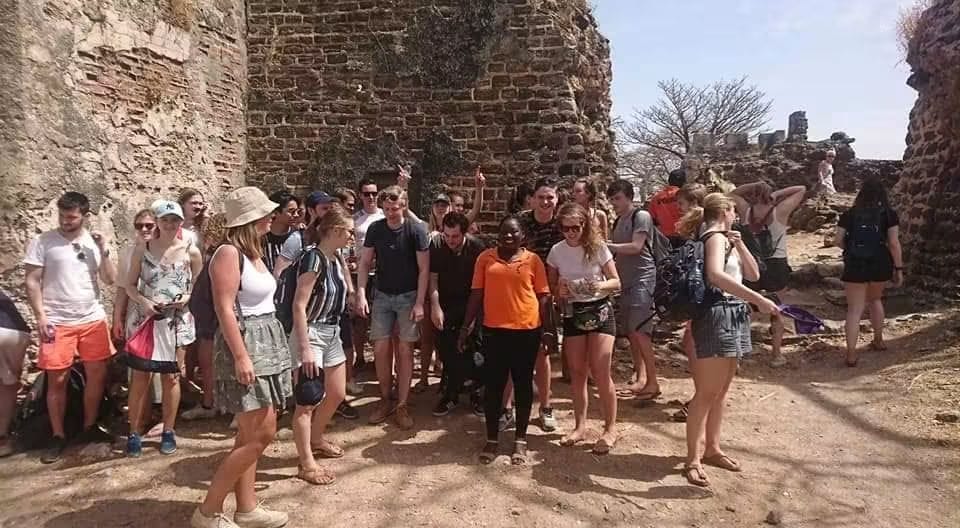
Kunta Kinteh Island and Juffureh: Understanding an Important Part of Gambian History
Kunta Kinteh Island and the related historic sites along the River Gambia preserve evidence of centuries of interaction between Africa and Europe and have particular significance in the history of the transatlantic slave trade and its abolition.
UNESCO inscribed Kunta Kinteh Island and Related Sites on the World Heritage List in 2003.
For visitors who want to understand Gambian history beyond museums and guidebooks, the area is one of the country’s most significant historical destinations.
Is James Island the Same as Kunta Kinteh Island?
The island was previously widely known as James Island.
The World Heritage property is now officially called Kunta Kinteh Island and Related Sites.
Older travel material and tour names may therefore still use “James Island.”
Janeya currently calls its excursion Slavery and James Island.
Why Is Kunta Kinteh Island Important?
The island’s position within the River Gambia made it strategically important to European powers seeking access to the interior.
UNESCO explains that the island and related sites document different phases of African-European contact from the 15th century onward and have particular importance in understanding both the slave trade and later efforts to suppress it.
That makes the site relevant not only to Gambian history but to the wider history of West Africa and the Atlantic world.
What Does the UNESCO Site Include?
Kunta Kinteh Island is not the only component.
UNESCO’s World Heritage property also incorporates historic locations associated with Albreda and Juffureh, as well as Fort Bullen and the Six-Gun Battery near the river mouth.
Together, these places help explain different stages of trade, colonial activity and the slave trade along the River Gambia.
Visiting Juffureh
Janeya’s excursion travels by boat from Banjul toward Juffureh.
Its current itinerary includes the village museum, local historical interpretation and a craft market before continuing toward the island.
The village should be approached primarily as a living community and historical location rather than simply as a tourist attraction.
Travelling Along the River
The journey itself also gives visitors a sense of why the River Gambia mattered historically.
For centuries, the river provided access from the Atlantic toward inland West Africa.
UNESCO describes it as an important trade route linking the interior with the coast.
Seeing the sites from the river therefore provides useful geographical context that is difficult to understand from a map alone.
Visiting Kunta Kinteh Island
After visiting Juffureh, Janeya’s itinerary continues by boat to the island for historical interpretation before returning toward Banjul later in the day.
The surviving structures are ruins, and UNESCO notes that conservation remains important because the site’s physical remains are vulnerable to erosion and environmental conditions.
A Site That Should Be Visited Respectfully
Kunta Kinteh Island is connected with profound human suffering.
For that reason, the experience should not be framed simply as entertainment.
A good visit should help travellers understand:
- slavery and forced displacement;
- European activity along the River Gambia;
- African communities and resistance;
- the abolition period;
- and the continuing importance of memory.
This is one reason knowledgeable local interpretation is particularly valuable here.
How Long Is Janeya’s Historical Trip?
Janeya currently lists the Slavery and James Island excursion as a full-day tour, beginning with hotel pickup and transfer to Banjul’s seaport.
Visitors should confirm current departure arrangements and itinerary before travelling.
Is Kunta Kinteh Island Worth Visiting?
For travellers interested in history, heritage and the African diaspora, it is one of the most important places to understand in The Gambia.
Visitors looking mainly for wildlife or relaxation may find Janeya’s river, Makasutu or Fathala excursions more suitable.
But for anyone who wants greater historical context for the country, Kunta Kinteh Island deserves serious consideration.
FAQ
Where is Kunta Kinteh Island?
It lies within the River Gambia and forms part of a UNESCO World Heritage property.
Why was Kunta Kinteh Island important?
Its river location made it strategically important for trade and European access to the interior, and the site became strongly connected with the history of the slave trade.
When did it become a UNESCO World Heritage Site?
Kunta Kinteh Island and Related Sites was inscribed in 2003.
Does Janeya Tours visit Juffureh and the island?
Yes. Both currently appear within Janeya’s full-day Slavery and James Island itinerary.